




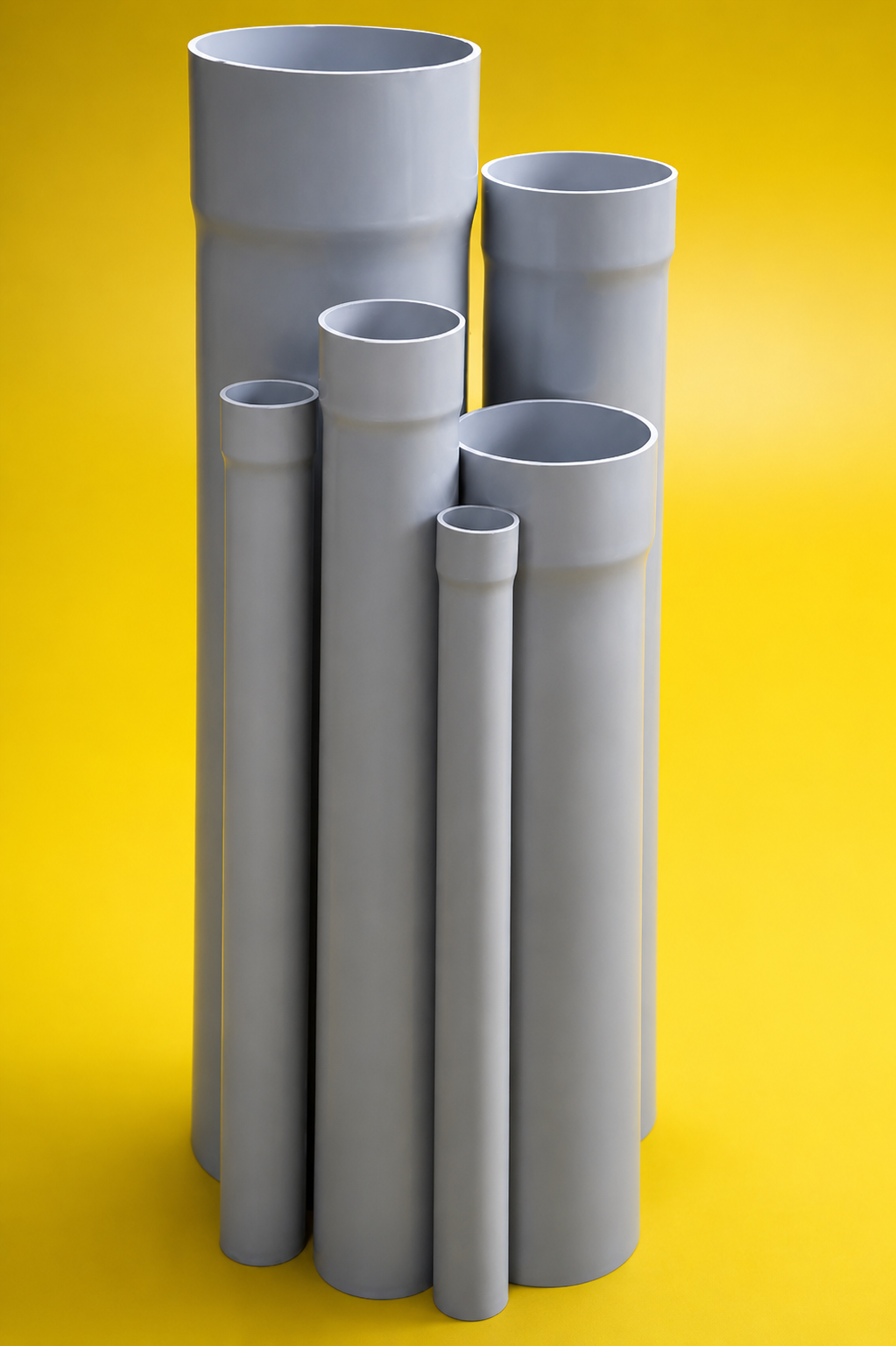




Efficient wastewater management is essential for every residential, commercial, industrial, and agricultural project. A well-designed drainage system helps prevent waterlogging, foul odors, structural damage, and costly maintenance. One of the most widely used solutions for modern drainage systems is SWR Drainage Pipes, which are specifically designed to transport soil, waste, and rainwater safely and efficiently.
However, many property owners and contractors often compare SWR Drainage Pipes & Agricultural Pipes when selecting piping systems. While both serve drainage-related purposes, they are designed for entirely different applications.
In this guide, you’ll learn how SWR pipes improve wastewater drainage, the difference between SWR and Agri Pipe, and how to choose the right pipe for your project.
What Are SWR Drainage Pipes?
SWR Drainage Pipes (Soil, Waste, and Rainwater Pipes) are specially designed piping systems used to carry wastewater from bathrooms, kitchens, toilets, and rooftops to sewage or drainage systems.
These pipes are commonly installed in:
- Residential buildings
- Commercial complexes
- Villas
- Hospitals
- Schools
- Hotels
- Industrial facilities
They are engineered to ensure smooth wastewater flow while resisting corrosion, chemicals, and moisture.
How Do SWR Pipes Improve Wastewater Drainage?
A properly designed SWR drainage system offers several advantages that improve the overall efficiency of wastewater disposal.
1. Smooth and Efficient Water Flow
SWR Drainage Pipes have smooth internal surfaces that reduce friction and help wastewater flow freely. This minimizes the risk of blockages caused by grease, soap residue, or solid waste.
2. Leak-Resistant Drainage System
Modern SWR pipe systems are designed with secure joints and fittings that help reduce the possibility of leakage. This protects surrounding walls, floors, and foundations from water damage.
3. Corrosion Resistance
Unlike metal pipes, SWR Drainage Pipes do not rust or corrode when exposed to wastewater or moisture. This makes them suitable for long-term use in a variety of environments.
4. Lightweight and Easy Installation
SWR pipes are lightweight, making transportation, handling, and installation faster and more cost-effective for contractors.
5. Long Service Life
When installed correctly, SWR Drainage Pipes provide reliable performance for many years with minimal maintenance.
What Is the Difference Between SWR and Agri Pipe?
One of the most common questions is the difference between SWR and Agri Pipe. Although both are involved in water movement, they are designed for different purposes.
Feature | SWR Drainage Pipes | Agricultural Pipes |
Primary Purpose | Wastewater and sewage drainage | Irrigation and field drainage |
Water Type | Soil, waste, and rainwater | Irrigation water and groundwater |
Typical Installation | Buildings and drainage systems | Farms and agricultural land |
Pipe Design | Solid wall pipe | Solid or perforated pipe, depending on application |
Main Users | Builders, contractors, property owners | Farmers, landscapers, irrigation professionals |
Choosing the correct pipe depends entirely on the intended application.
What Are Agricultural Pipes?
Agricultural Pipes are designed primarily for farming and irrigation systems. They help distribute water to crops, remove excess groundwater, and improve soil conditions.
Common applications include:
- Irrigation systems
- Farm drainage
- Groundwater management
- Plantation projects
- Landscaping
- Greenhouse irrigation
Unlike SWR Drainage Pipes, agricultural pipes are not intended to carry household wastewater or sewage.
SWR Drainage Pipes vs Agricultural Pipes: Which One Should You Choose?
The choice depends on your project requirements.
Choose SWR Drainage Pipes if you need:
- Bathroom drainage
- Kitchen wastewater disposal
- Building sewer connections
- Rainwater drainage
- Commercial drainage systems
Choose Agricultural Pipes if your project involves:
- Crop irrigation
- Farm water distribution
- Agricultural drainage
- Landscape irrigation
- Groundwater control
Using the wrong type of pipe may reduce system efficiency and increase maintenance requirements.
Where Are SWR Drainage Pipes Commonly Used?
SWR Drainage Pipes are suitable for a wide range of projects, including:
Residential Buildings
- Villas
- Apartments
- Residential towers
- Independent homes
Commercial Projects
- Shopping malls
- Office buildings
- Hotels
- Restaurants
Industrial Facilities
- Warehouses
- Manufacturing plants
- Processing facilities
Public Infrastructure
- Schools
- Hospitals
- Government buildings
- Community developments
Benefits of SWR Drainage Pipes
Modern drainage systems rely on SWR pipes because they offer several practical advantages:
- Smooth wastewater flow
- Corrosion resistance
- Leak-resistant joints
- Lightweight installation
- Low maintenance
- Long operational life
- Suitable for residential and commercial projects
These benefits help improve drainage efficiency while reducing maintenance costs over time.
How to Choose the Right Drainage Pipes
Before selecting a drainage system, consider the following:
- Is the pipe intended for wastewater or irrigation?
- Will it be installed indoors or outdoors?
- What type of liquid will it carry?
- What pipe diameter is required?
- Does the project require pressure resistance or gravity drainage?
Consulting a reliable supplier ensures you select the right pipe for your application.
Why High-Quality SWR Drainage Pipes Matter
Using high-quality SWR Drainage Pipes improves system reliability, minimizes leakage risks, and ensures efficient wastewater management. For builders, contractors, and property owners, investing in quality drainage materials helps reduce maintenance costs and supports long-term performance.
Conclusion
Understanding the difference between SWR and Agri Pipe is essential for selecting the right piping solution. While Agricultural Pipes are designed for irrigation and farm drainage, SWR Drainage Pipes are specifically engineered to transport soil, waste, and rainwater safely and efficiently.
Whether you’re constructing a new home, upgrading a commercial property, or planning an infrastructure project, choosing the appropriate Drainage Pipes ensures better performance, durability, and long-term value.
If you’re looking for dependable SWR Drainage Pipes & Agricultural Pipes, selecting quality products from a trusted manufacturer will help ensure your drainage or irrigation system performs efficiently for years to come.
FAQs
SWR Drainage Pipes are designed with smooth internal surfaces that support efficient wastewater flow and help reduce blockages. Their corrosion resistance, secure joints, lightweight construction, and low maintenance requirements make them suitable for residential, commercial, and industrial drainage systems.
SWR Drainage Pipes are primarily designed to carry soil, wastewater, and rainwater from buildings, while Agricultural Pipes are used for irrigation, farm water distribution, and agricultural drainage. Choosing between them depends on whether the project requires wastewater drainage or agricultural water management.
SWR Drainage Pipes are commonly used in villas, apartments, residential towers, offices, hotels, hospitals, schools, commercial buildings, and industrial facilities. They are suitable for applications such as bathroom and kitchen wastewater drainage, soil waste systems, and rainwater disposal.