








When selecting pipes for construction, farming, landscaping, or infrastructure projects, one of the most common questions is: What is the difference between SWR drainage pipes and agricultural pipes? Although both are designed to move water efficiently, they serve different purposes and are built to perform under different conditions.
Understanding the difference between SWR and Agri pipe can help homeowners, contractors, builders, and farmers choose the right piping system, improve project performance, and reduce long-term maintenance costs.
In this guide, we’ll compare SWR Drainage Pipes & Agricultural Pipes, explain where each is used, and help you determine which option offers the best durability for your specific application.
What Are SWR Drainage Pipes?
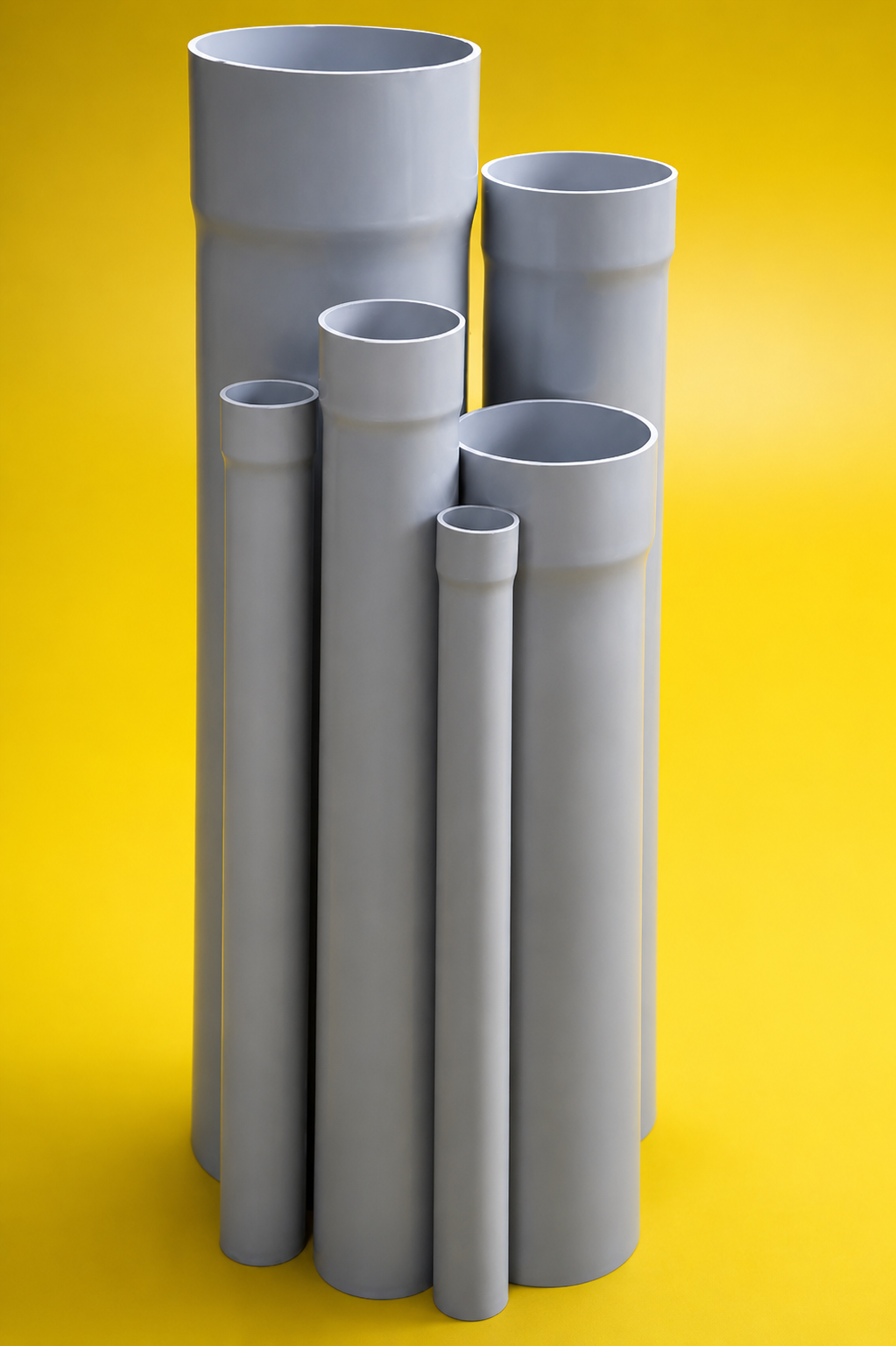
SWR Drainage Pipes (Soil, Waste, and Rainwater pipes) are designed to carry wastewater, sewage, and rainwater away from buildings. They are commonly used in residential, commercial, and industrial plumbing systems.
These pipes are manufactured to withstand constant water flow, chemical exposure, and varying weather conditions while maintaining structural strength over many years.
Common Applications of SWR Drainage Pipes
- Residential drainage systems
- Commercial buildings
- Apartment complexes
- Rainwater drainage
- Soil and waste disposal
- Underground drainage networks
- Industrial facilities
Their durability and corrosion resistance make them a preferred choice for modern construction projects.
What Are Agricultural Pipes?
Agricultural Pipes are specifically designed for farming and irrigation applications. Their primary purpose is to manage water distribution and remove excess water from farmland to improve soil conditions and crop health.
Unlike SWR pipes, agricultural pipes are optimized for underground installation in fields and are often available in perforated and non-perforated designs depending on the drainage requirements.
Common Applications of Agricultural Pipes
- Farm drainage systems
- Irrigation projects
- Groundwater management
- Landscaping
- Greenhouses
- Sports fields
- Plantation drainage
These pipes help maintain healthy soil by preventing waterlogging and improving water movement beneath the surface.
What Is the Difference Between SWR and Agri Pipe?
Although both pipe types transport water, their intended applications and designs differ significantly.
Feature | SWR Drainage Pipes | Agricultural Pipes |
Primary Purpose | Soil, waste, and rainwater drainage | Farm drainage and irrigation |
Typical Installation | Buildings and infrastructure | Agricultural land and landscapes |
Water Type | Wastewater and rainwater | Groundwater and irrigation water |
Pipe Design | Solid-wall pipes | Solid or perforated pipes |
Common Users | Builders, contractors, plumbers | Farmers, landscapers, irrigation contractors |
Main Objective | Safe wastewater disposal | Soil drainage and water management |
Choosing the wrong type of pipe may reduce system performance and increase maintenance costs.
Which Pipe Lasts Longer?
The answer depends on how and where the pipe is used.
SWR Drainage Pipes
SWR drainage pipes are designed for long-term use in residential and commercial drainage systems. When installed correctly, they can provide decades of reliable performance because they are resistant to corrosion, moisture, and many common chemicals found in wastewater.
Agricultural Pipes
Agricultural pipes are also built for durability, particularly in underground environments where they support irrigation and field drainage. Their lifespan depends on factors such as soil conditions, installation quality, and maintenance practices.
Rather than one pipe being universally better, each delivers the longest service life when used for its intended purpose.
Which Pipe Is Better for Your Project?
The right choice depends entirely on your application.
Choose SWR Drainage Pipes if you need:
- Building drainage systems
- Rainwater management
- Wastewater disposal
- Residential plumbing
- Commercial drainage infrastructure
Choose Agricultural Pipes if you need:
- Farm drainage
- Irrigation systems
- Landscape drainage
- Groundwater control
- Agricultural water management
Using the correct pipe helps maximize efficiency and reduce future repairs.
Benefits of SWR Drainage Pipes
Modern SWR Drainage Pipes offer several advantages:
- High durability
- Corrosion resistance
- Lightweight construction
- Easy installation
- Low maintenance
- Smooth internal surface for efficient water flow
- Suitable for residential and commercial drainage
These features make them one of the most widely used drainage solutions in the construction industry.
Benefits of Agricultural Pipes
High-quality Agricultural Pipes provide important benefits for farming and landscaping projects.
These include:
- Efficient water drainage
- Improved soil health
- Better crop productivity
- Reduced waterlogging
- Long service life
- Easy underground installation
- Reliable irrigation support
They play an important role in modern agriculture by helping maintain optimal growing conditions.
How to Choose Between SWR Drainage Pipes and Agricultural Pipes
Before purchasing pipes, consider the following questions:
What is the intended application?
Determine whether the pipe will be used for building drainage or agricultural water management.
Will the pipe carry wastewater or groundwater?
SWR pipes are designed for wastewater systems, while agricultural pipes focus on groundwater drainage and irrigation.
Where will the pipe be installed?
Installation environment significantly affects pipe selection.
- Buildings require SWR drainage systems.
- Farms require agricultural drainage systems.
What is your long-term maintenance expectation?
Selecting the correct pipe from the start reduces repair costs and improves long-term performance.
Common Mistakes to Avoid
Many installation issues occur because the wrong type of pipe is selected.
Avoid these common mistakes:
- Using agricultural pipes for building drainage
- Installing SWR pipes in applications requiring perforated drainage
- Choosing pipe size without proper planning
- Ignoring soil and environmental conditions
- Purchasing low-quality products without checking standards
Proper planning helps ensure reliable performance for years.
Why Quality Pipes Matter
Whether you’re installing a drainage network for a building or improving water management on farmland, investing in quality piping materials offers several advantages:
- Longer lifespan
- Reduced maintenance
- Better water flow
- Improved structural reliability
- Lower lifecycle costs
Choosing high-quality SWR Drainage Pipes & Agricultural Pipes from a trusted manufacturer helps ensure dependable performance and long-term value.
Conclusion
Understanding the difference between SWR and Agri pipe is essential for selecting the right solution for your project. While SWR Drainage Pipes are engineered for wastewater and rainwater systems in residential and commercial buildings, Agricultural Pipes are specifically designed to support irrigation, field drainage, and groundwater management.
Neither pipe is inherently better than the other. Each is built for a specific purpose, and both can deliver excellent durability when installed correctly and used in the appropriate environment.
If you’re planning a construction, infrastructure, landscaping, or agricultural project, choosing the right drainage pipe today can help improve efficiency, reduce maintenance, and provide reliable performance for many years.
FAQs
Neither is universally longer-lasting. Both can provide long-term performance when correctly selected, installed, and maintained. SWR Drainage Pipes are designed for building wastewater and rainwater systems, while Agricultural Pipes are designed for irrigation, field drainage, and groundwater management.
SWR Drainage Pipes are primarily used to carry soil, waste, and rainwater from residential, commercial, and industrial buildings. Agricultural Pipes are used for farming, irrigation, groundwater drainage, landscaping, and soil water management. The correct choice depends on the project’s application and installation environment.
Not generally. Agricultural Pipes and SWR Drainage Pipes are designed for different applications. Using an agricultural pipe in a building drainage system, or an SWR pipe where perforated agricultural drainage is required, may affect system performance. Always select the pipe according to the intended application and technical requirements.