




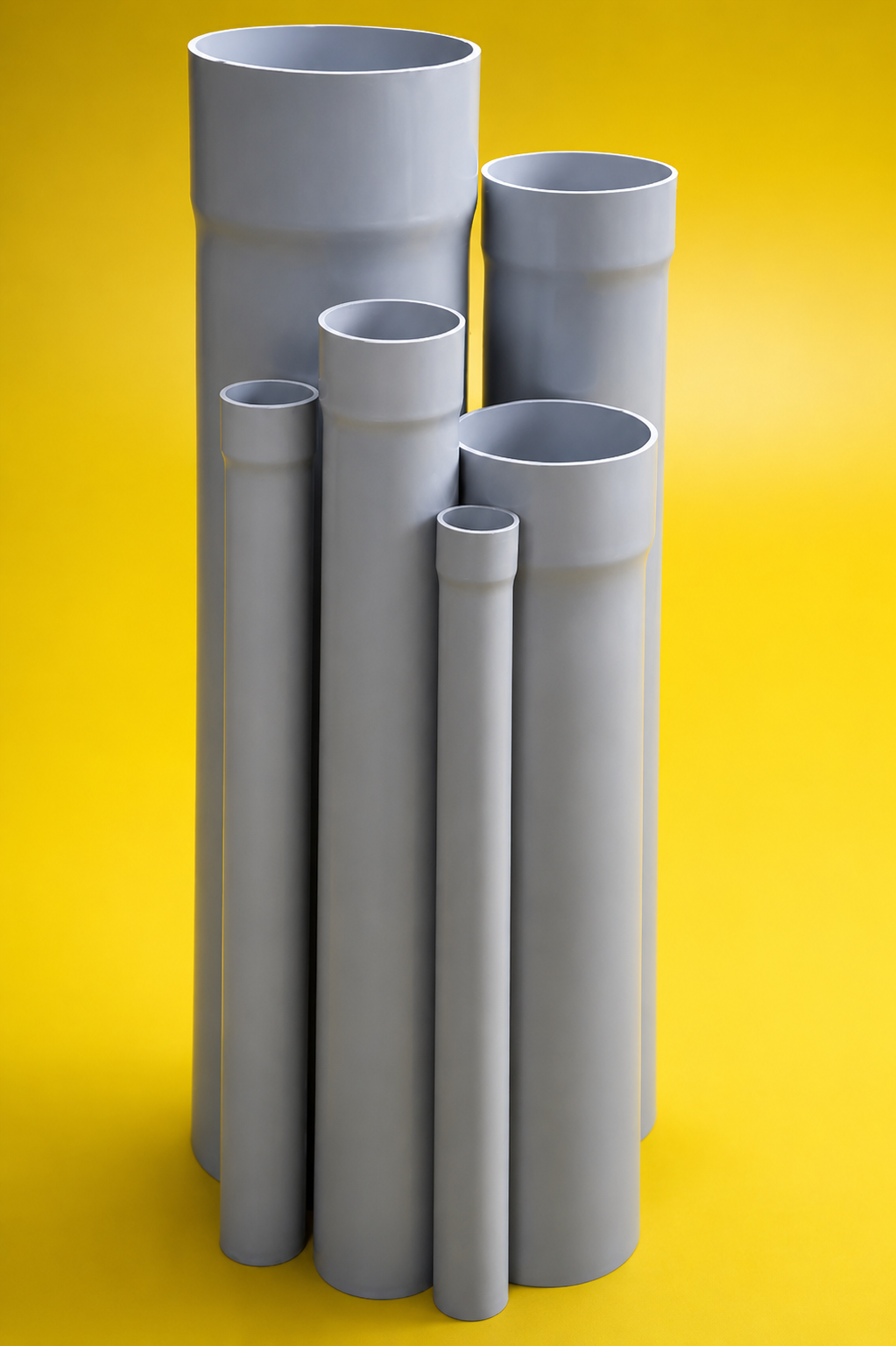



Choosing the right drainage pipe is one of the most important decisions in any construction, landscaping, agricultural, or infrastructure project. The wrong pipe can lead to poor drainage, waterlogging, expensive repairs, and reduced system life.
Many homeowners, builders, contractors, and developers often assume that all drainage pipes perform the same function. However, products such as SWR Drainage Pipes, Agricultural Pipes, and other Drainage Pipes are designed for different applications. Understanding the difference between SWR and Agri Pipe can help you select the right solution and avoid costly mistakes.
This guide explains the most common mistakes people make when choosing drainage pipes and how to select the best option for your project.
What Are SWR Drainage PipesWhat Are Drainage Pipes?
Drainage pipes are designed to transport excess water or wastewater safely away from buildings, roads, agricultural land, and other structures. They help prevent flooding, water damage, soil erosion, and structural issues.
Depending on the application, drainage pipes can be used for:
- Residential drainage systems
- Commercial buildings
- Industrial facilities
- Agricultural fields
- Landscaping projects
- Stormwater management
- Underground drainage networks
Choosing the correct pipe type ensures efficient water flow and long-term performance.
What Is the Difference Between SWR and Agri Pipe?
One of the most common questions asked by buyers is the difference between SWR and Agri Pipe.
SWR Drainage Pipes
SWR Drainage Pipes (Soil, Waste, and Rainwater pipes) are designed to carry wastewater and rainwater from residential, commercial, and industrial buildings. They are commonly used for:
- Soil and waste discharge
- Rainwater drainage
- Building drainage systems
- Internal and external plumbing
- Residential and commercial projects
These pipes are engineered to provide efficient water flow while maintaining durability and leak resistance.
Agricultural Pipes
Agricultural Pipes are designed to manage excess groundwater and improve soil drainage in farming and landscaping applications. They are commonly used for:
- Farm drainage
- Irrigation support
- Groundwater control
- Landscape drainage
- Sports fields
- Gardens
- Plantation areas
Unlike SWR pipes, agricultural drainage pipes are intended to remove excess water from the soil rather than transport wastewater from buildings.
Mistake 1: Assuming All Drainage Pipes Are the Same
Many buyers purchase drainage pipes based only on size or price without considering their intended application.
Using an agricultural pipe in a building drainage system, or an SWR pipe for field drainage, can lead to poor performance and unnecessary maintenance.
Always choose the pipe type based on the specific drainage requirement.
Mistake 2: Ignoring the Application
Before purchasing any drainage pipe, ask yourself:
- Is this for wastewater?
- Is this for rainwater?
- Is this for agricultural land?
- Is this for underground drainage?
- Is this for landscaping?
The answers determine whether SWR Drainage Pipes or Agricultural Pipes are the better choice.
Mistake 3: Choosing the Cheapest Option
Price is important, but selecting the lowest-cost pipe without evaluating quality can increase long-term costs.
Low-quality drainage pipes may experience:
- Cracking
- Leakage
- Reduced lifespan
- Poor flow performance
- Higher maintenance requirements
Investing in high-quality drainage pipes often reduces repair and replacement costs over time.
Mistake 4: Overlooking Pipe Strength
Different projects require different levels of structural strength.
For example:
- Residential drainage may have different requirements than industrial installations.
- Agricultural drainage systems may require pipes designed to withstand soil pressure and environmental conditions.
Always ensure the selected pipe meets the project’s load and installation requirements.
Mistake 5: Not Considering Soil and Environmental Conditions
Environmental factors play a major role in drainage system performance.
Consider:
- Soil type
- Groundwater levels
- Rainfall intensity
- Installation depth
- Exposure to chemicals or fertilizers
Choosing a pipe suited to these conditions helps improve system reliability and longevity.
Mistake 6: Choosing the Wrong Pipe Size
Pipe diameter directly affects water flow capacity.
A pipe that is too small may cause blockages or overflow, while an oversized pipe can increase project costs unnecessarily.
Proper hydraulic design and professional guidance can help determine the correct pipe size.
Mistake 7: Ignoring Installation Quality
Even the best drainage pipe can underperform if it is installed incorrectly.
Common installation issues include:
- Incorrect slope
- Poor joint connections
- Inadequate bedding
- Improper backfilling
- Misaligned pipe sections
Following manufacturer recommendations and industry best practices helps ensure optimal performance.
SWR Drainage Pipes vs Agricultural Pipes
Feature | SWR Drainage Pipes | Agricultural Pipes |
Primary Use | Soil, waste, and rainwater drainage | Groundwater and field drainage |
Typical Application | Residential and commercial buildings | Farms, landscaping, and plantations |
Water Type | Wastewater and rainwater | Groundwater and excess soil water |
Installation Area | Buildings and infrastructure | Agricultural land and open areas |
Purpose | Safe wastewater disposal | Soil drainage and water management |
Understanding these differences makes it easier to choose the right product for your project.
Why Quality Drainage Pipes Matter
Reliable drainage pipes provide several long-term benefits, including:
- Efficient water flow
- Reduced maintenance
- Improved durability
- Better resistance to environmental conditions
- Long service life
- Lower lifecycle costs
Whether you are installing SWR Drainage Pipes for a building or Agricultural Pipes for farmland, selecting high-quality products contributes to a more dependable drainage system.
How to Choose the Right Drainage Pipe
Before making a purchase, consider the following:
- What type of water needs to be managed?
- Is the application residential, commercial, industrial, or agricultural?
- What is the required pipe size?
- What are the local soil and environmental conditions?
- Does the pipe comply with relevant quality standards?
Consulting with experienced suppliers or project engineers can help you select the most suitable drainage solution.
Conclusion
Choosing the right drainage pipe involves more than selecting the correct diameter. Understanding the difference between SWR and Agri Pipe, evaluating the application, and choosing high-quality Drainage Pipes are essential for long-lasting performance.
Whether your project requires SWR Drainage Pipes & Agricultural Pipes for residential construction, commercial developments, landscaping, or farming, selecting the appropriate solution helps improve efficiency, reduce maintenance, and protect your investment.
By avoiding these common mistakes, you can build a drainage system that performs reliably for years to come.
FAQs
SWR Drainage Pipes are designed to carry soil, waste, and rainwater from residential, commercial, and industrial buildings. Agricultural Pipes, on the other hand, are used to remove excess groundwater and improve soil drainage in farms, gardens, landscaping projects, and plantation areas. Choosing the right type depends on the intended application.
When selecting a drainage pipe, consider the type of water being managed, the installation environment, pipe size, soil conditions, and the project’s performance requirements. Choosing high-quality drainage pipes that are suitable for your specific application helps improve efficiency and reduces long-term maintenance costs.
High-quality drainage pipes provide reliable water flow, better durability, resistance to environmental conditions, and a longer service life. Whether you’re installing SWR Drainage Pipes for a building or Agricultural Pipes for a farming project, investing in quality products helps minimize repairs and ensures long-term performance.